


Removing trees, cedar, brush, stumps, and heavy vegetation can completely change how a property looks. But clearing is often only the first stage of making acreage usable.
Once the overgrowth is gone, landowners may discover uneven ground, hidden debris, erosion, old fence materials, stump holes, drainage channels, or soil that needs additional preparation. What happens next should depend on how the land will be used.
For Central Texas property owners, the following steps can help turn newly cleared land into a practical, maintainable space.
Step 1: Confirm the Intended Use
Before grading or moving additional soil, decide what the cleared area needs to become — a house, barn, or shop site; new pasture; a gravel driveway; an equipment yard; fence lines; utility routes; a stock tank; or commercial development.
This decision affects how aggressively the land should be cleared and finished. A future building site may need roots and organic material removed from the construction area. A pasture may not require the same level of finish grading. A driveway corridor must be shaped around vehicle access and water flow.
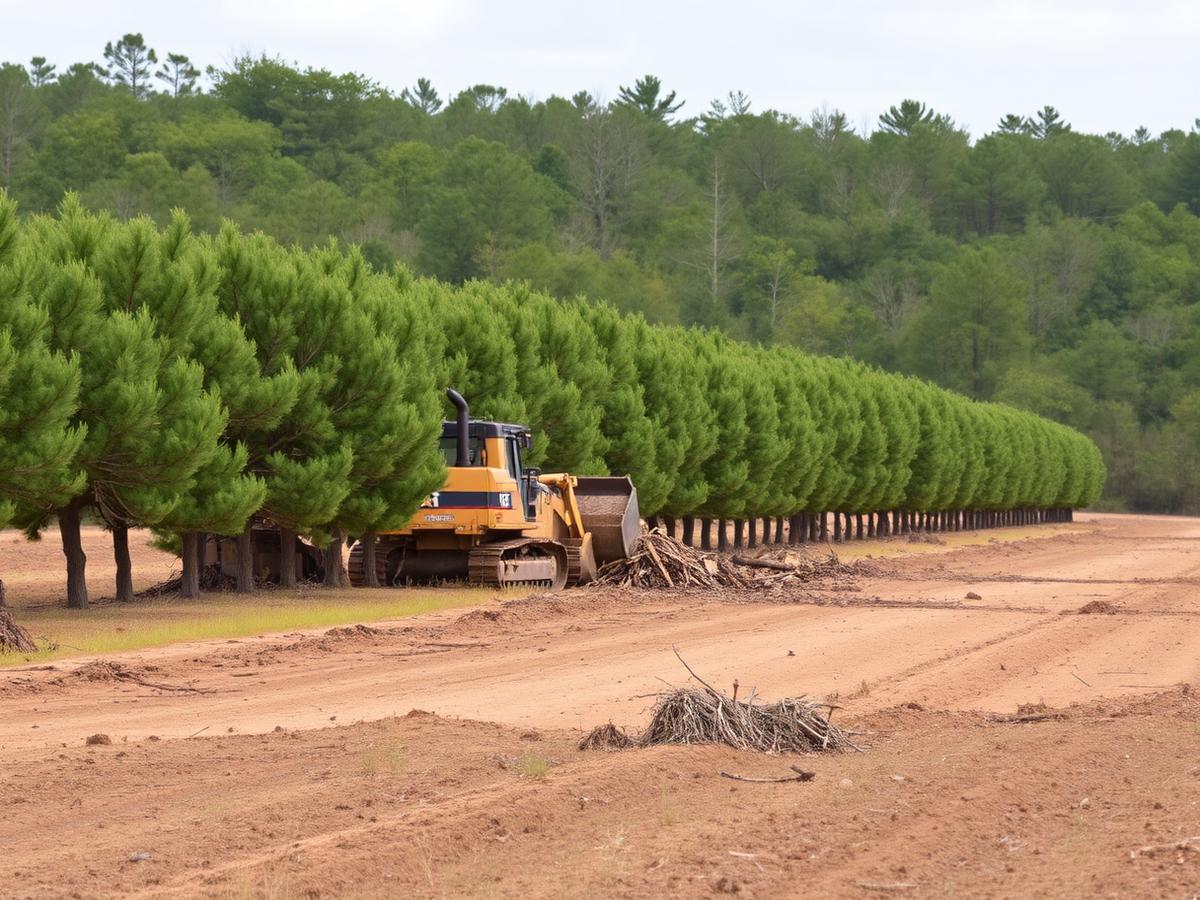
Step 2: Address Stumps, Roots, and Remaining Debris
Land can look clear from a distance while still containing obstacles below the surface. Stumps, large roots, rocks, old wire, discarded materials, and buried debris can interfere with grading and future use.
After clearing, inspect the property for protruding roots, hidden stump holes, loose wire or fencing, large rock concentrations, brush piles, construction or household debris, and unstable dead trees near the work area. Debris should be handled according to the property plan — hauled away, consolidated, chipped, mulched, or placed in an approved area.
Step 3: Evaluate the Existing Grade
Dense vegetation can hide the true shape of the land. After clearing, low areas, steep transitions, erosion channels, and old roadbeds become easier to see.
Possible grading work includes filling stump holes, smoothing ruts, cutting down high spots, filling selected low areas, creating a building pad, shaping a driveway corridor, and preparing an area for seed or pasture improvement. Excessive grading can disturb more soil than necessary and may change how water moves across the property.
Step 4: Plan for Drainage Before Adding Improvements
Land clearing changes the way rainfall reaches the soil. Canopies, brush, roots, and ground cover previously slowed or absorbed some runoff. Once vegetation is removed, water may travel more quickly across exposed ground.
Look for water that flows toward a future building site, crosses a planned driveway, collects in newly exposed low areas, or cuts channels into sloped ground. Potential improvements may include swales, ditches, culverts, slope shaping, water bars, or strategic grading — planned before installing roads, pads, fences, or landscaping.
Step 5: Stabilize Disturbed Soil
Exposed soil is vulnerable to erosion, especially on slopes and in areas where runoff concentrates. The stabilization plan should reflect the season, soil, terrain, and final use of the land.
Landowners should pay close attention to sloped areas, drainage outlets, pond or tank banks, newly shaped ditches, road shoulders, and areas disturbed by repeated equipment traffic. Stabilizing the site helps protect the work that has already been completed.
Step 6: Prepare Access Roads and Driveways
Newly usable acreage still needs dependable access. Construction crews, ranch equipment, utility installers, trailers, and everyday traffic may all need to reach the improved area.
Before placing gravel, consider the driveway route, width and turning space, entry visibility, drainage crossings, steep grades, soft soil, and connections to barns, pads, gates, and work areas. The roadbed may need to be shaped and compacted before road base is spread.
Common Mistakes After Clearing Land
One frequent mistake is assuming that the property is ready to use as soon as the trees and brush are gone. Other problems include leaving stump holes unfilled, ignoring newly exposed drainage patterns, placing gravel directly on soft soil, building in a natural low area, delaying erosion control, and grading without a final use in mind.
Turn Cleared Acreage Into Working Land
Successful land clearing is measured by what the property can support afterward. The next steps may include debris cleanup, stump removal, grading, drainage, access-road construction, pasture preparation, or building-site development.
Mountain Movers Excavation helps property owners clear and prepare residential, ranch, agricultural, and commercial land throughout Central Texas, including Clifton, Cranfills Gap, Meridian, Valley Mills, Hico, Gatesville, McGregor, and Hillsboro. Call (254) 640-1104 to request land-clearing or site-preparation service.
Land Clearing near you
Clearing cedar, mesquite, and heavy brush is everyday work for our crews. See how land clearing runs in your area:
- Land clearing services in Waco, TX
- Land clearing services in Gatesville, TX
- Land clearing services in Killeen, TX
- Land clearing services in Temple, TX
- Land clearing services in McGregor, TX
- Land clearing services in Clifton, TX
- Land clearing services in Hillsboro, TX
- Land clearing services in Cleburne, TX
Working outside these towns? See our full land clearing service or check the Central Texas service area.
Let's Get to Work
Strong foundations start with the right crew. Get professional dirt work, excavation, and site prep from the pros at Mountain Movers Excavation.