Excavation is about more than moving a pile of dirt. The way soil is removed, shaped, compacted, and directed can affect the stability, drainage, and accessibility of an entire property.
That is especially important across Central Texas, where rural acreage, uneven ground, changing soil conditions, and heavy rain can create challenges for construction and property improvement projects.
Whether you are planning a house pad, installing utilities, improving drainage, or developing part of a ranch, the groundwork needs to match the intended use of the property. Recognizing the signs that professional excavation is needed can help you avoid unstable surfaces, standing water, unnecessary delays, and corrective work later.
1. You Are Preparing to Build
Nearly every successful building project begins below ground level. Before a foundation can be formed or a pad can be built, the site may need to be cleared, excavated, leveled, and prepared for proper drainage.
Professional excavation helps establish the correct building elevation, a level and properly shaped work area, space for foundations or footings, appropriate slopes around the future structure, stable access for construction vehicles, and a plan for controlling runoff.
For homes, barns, shops, agricultural buildings, and commercial structures, early excavation and site preparation give the rest of the construction team a better starting point.
2. Water Collects Around Your Home, Barn, or Work Area
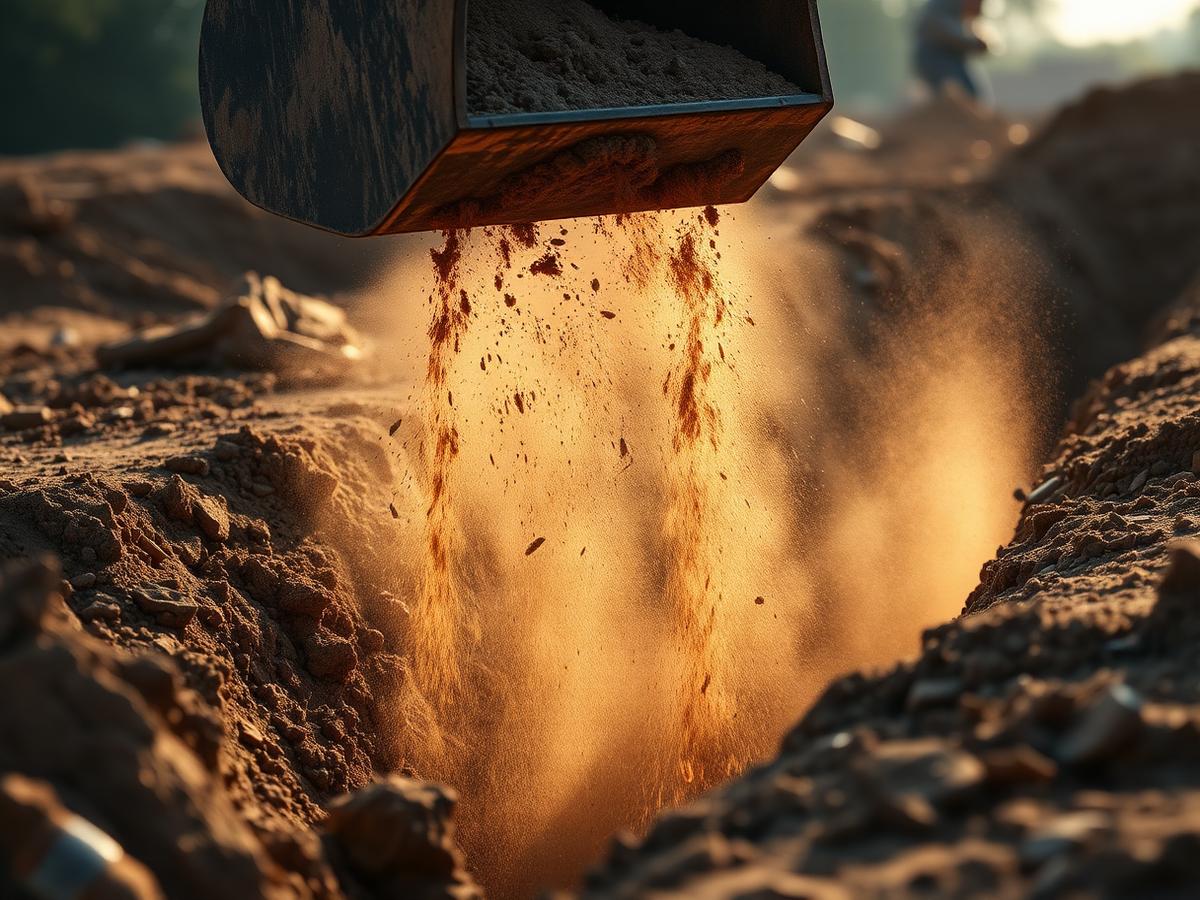
Standing water is one of the clearest signs that the existing grade is not moving runoff effectively. You may notice puddles that remain for days, water flowing toward a structure, muddy areas near an entrance, or erosion channels forming after storms.
An excavation contractor can evaluate the direction of the surrounding slopes and determine whether the property could benefit from regrading, drainage swales, shallow drainage channels, culvert installation, ditch reshaping, or soil placement around low areas.
Addressing drainage before building, installing a driveway, or developing a pasture is generally easier than trying to correct it after improvements are in place.
3. You Need Trenches for Utilities or Water Lines
Utility trenching requires accuracy. The path, depth, width, and surrounding conditions all need to be considered before digging begins. Excavation may be needed for water lines, electrical service, drainage pipe, irrigation systems, septic-related components, and conduits.
Before any trenching project, underground utilities should be properly located. Professional equipment can create a cleaner, more consistent trench than improvised digging methods, particularly when the route is long or the soil is difficult to work. Proper backfilling and surface restoration help reduce settlement and prevent the trench line from collecting water.
4. The Ground Is Too Uneven for Its Intended Use
Uneven terrain may be part of the character of a Central Texas property, but it can also prevent you from using the land effectively. Ruts, old berms, washed-out sections, and abrupt elevation changes may interfere with mowing, construction, equipment movement, livestock access, or vehicle traffic.
Excavation and grading can reshape selected areas without unnecessarily disturbing the rest of the property — cutting down high spots, filling low areas, rough and finish grading, and preparing equipment or parking areas. The intended use should guide the final grade.
5. Erosion Is Getting Worse
Small erosion problems rarely correct themselves. A shallow rut can become a deep channel when runoff repeatedly follows the same route. Warning signs include exposed roots, soil collecting at the bottom of a slope, channels forming beside a driveway, gravel washing into a ditch, and sediment collecting near buildings or fences.
Excavation may be used to reshape the slope, redirect runoff, rebuild damaged areas, or prepare the site for additional drainage measures. The source of the water must be considered as well as the visible damage.
6. You Are Planning a Stock Tank or Pond
Stock tank and pond excavation involves more than digging a large hole. The selected location needs to work with the property's natural drainage, soil conditions, intended water source, and surrounding land use.
Before work begins, property owners should think about how runoff reaches the proposed location, livestock and equipment access, overflow direction, erosion around the banks, and where excavated soil can be placed or reused.
7. A Previous Dirt-Work Project Is Failing
Sometimes the need for excavation becomes clear after another project has been completed. A pad may settle unevenly. A driveway may trap water. A ditch may be too shallow. Common signs of failing dirt work include recurring potholes, soft soil, water flowing across a road, uneven settlement, cracking around improved surfaces, and washed-out slopes.
Corrective excavation usually begins by identifying why the problem keeps returning. Covering the area with more dirt or gravel may hide the issue temporarily, but it does not necessarily correct the underlying cause.
Start Your Project on Solid Ground
Whether you are preparing for construction, installing water lines, improving drainage, reshaping uneven terrain, or developing rural acreage, professional excavation gives the project a stronger starting point.
Mountain Movers Excavation provides excavation, grading, trenching, drainage, and site-preparation services throughout Central Texas, including Clifton, Meridian, Valley Mills, Gatesville, McGregor, Hico, Hillsboro, and surrounding communities. Call (254) 640-1104 to discuss your property and request service.
Excavation Contractors near you
Trenching, digging, hauling, and site excavation across Central Texas. Find your town below:
- Excavation services in Waco, TX
- Excavation services in Gatesville, TX
- Excavation services in Killeen, TX
- Excavation services in Temple, TX
- Excavation services in McGregor, TX
- Excavation services in Clifton, TX
- Excavation services in Hillsboro, TX
- Excavation services in Cleburne, TX
Working outside these towns? See our full excavation contractors service or check the Central Texas service area.
Let's Get to Work
Strong foundations start with the right crew. Get professional dirt work, excavation, and site prep from the pros at Mountain Movers Excavation.