


Gravel Driveway & Road Installation · Since 2008
Gravel Driveway & Ranch Road Installation
Gravel driveway installation, driveway grading, and ranch road construction built for Central Texas weather and everyday use.
The Problem
A Bad Driveway Costs You Every Time It Rains
Washed-out driveways, rutted ranch roads, and standing water damage vehicles, trap trailers, and make life miserable in wet weather. We build gravel driveways and ranch roads with the right base, crown, and drainage so they hold up — season after season.
Driveways & Roads Built the Right Way
Every gravel driveway installation and ranch road we build starts with proper subgrade prep, compacted road base, and thought-out drainage — including culverts where they're needed. That's why our driveways don't turn back into mud two rains later.
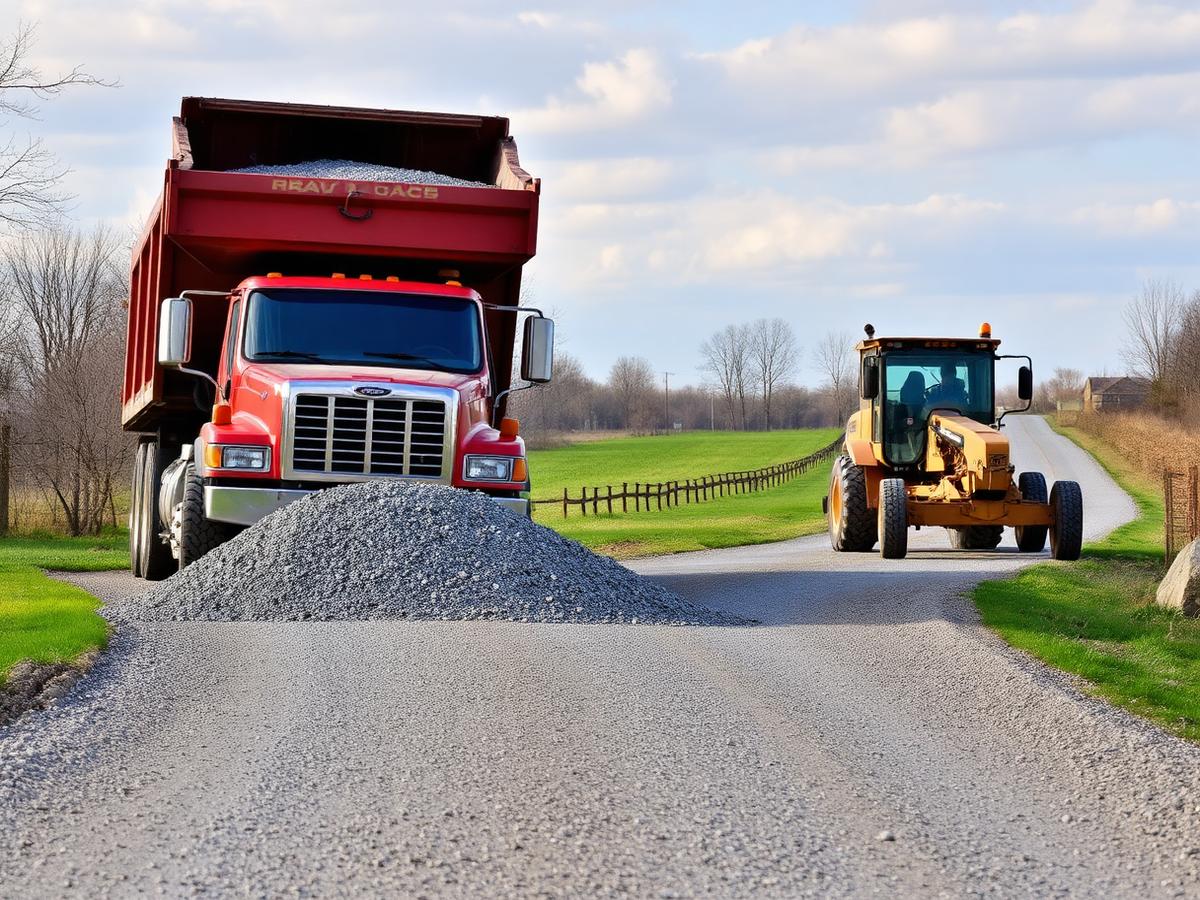
What's Included
A good gravel road starts with what is under the gravel. Here is what we handle, from a new driveway to a worn-out ranch road.
New Driveway Installation
We lay out the route, cut and shape the subgrade, using dozer work on longer runs, then build up road base so the driveway handles cars, trucks, and trailers.
Driveway Repair and Regrading
Existing driveways get reshaped, low spots filled, and the surface regraded so it drains and drives smoothly again.
Road Base and Crushed Limestone
We use road base for the structural layer and crushed limestone for the surface, compacting each so the road locks together.
Crowning
A crowned road sheds water to both sides. Without it, rain runs down the middle and takes the gravel with it.
Ranch Roads
Long ranch roads and pasture access roads built or rebuilt to carry feed trucks, stock trailers, and equipment.
Ditches and Turnouts
Roadside ditches and turnouts keep water moving off the road instead of eroding it from the edges.
Problems We Fix
"The driveway is washboarded so bad it shakes the truck." "Potholes fill with water every time it rains." "The ranch road has ruts I have to straddle." "A storm washed out part of the road." "Mud pumps up through the gravel after rain." "All the gravel ends up in the ditch."
Nearly all of these come from poor drainage and a weak base. Adding more gravel on top only buys a few months. We fix the shape, the base, and the water, then put down new surface rock.
Central Texas Ground Conditions
On the Blackland Prairie clay around Waco, Hillsboro, and Temple, gravel roads fail from below. Wet clay turns to mud and pushes up through thin gravel, which is where pumping and ruts come from. A thicker base, good compaction, and a strong crown keep water out of that clay.
In Bosque and Coryell counties, many roads cross thin soil over limestone. The base is firmer, but rock ledges, steep grades, and runoff off cedar-covered slopes cause washouts. There we focus on ditches, water breaks, and cutting the road into a shape that moves water off quickly.
What Affects the Cost
Gravel driveway installation cost comes down to a handful of factors. Length and width set how much material the job needs, and a double-wide driveway takes roughly twice the rock of a single track.
The condition of the starting point matters just as much. Building a new driveway over soft Blackland Prairie clay takes a thicker, more compacted base than reshaping a ranch road that already has a firm foundation, so the same length of road can be two very different jobs.
Drainage is a real cost line, not an extra. Ditches, water breaks, and culverts at every crossing protect the driveway you just paid for. Jobs that need them cost a little more up front and far less over the life of the road.
Material and haul distance play a role too. Crushed limestone road base is the standard structural layer here, and the farther the rock has to haul to your place, the more each load costs. Steep grades, rock ledges, and tight access add time and equipment.
This is why we quote on-site instead of guessing by the foot over the phone. A free walk of your route lets us price the real job: length, soil, drainage, and access, all factored in.

Gravel Driveway Installation & Ranch Road Work
New Driveways, Driveway Grading & Access Roads That Actually Last
From short residential gravel driveways to long ranch and access roads, we handle the full job — subgrade, base, drainage, culverts, and finish grading.
- New gravel driveway and access road installation
- Driveway grading, resurfacing, and crown restoration
- Ranch, farm, and commercial road construction
- Road base delivery, spreading, and compaction
- Drainage design, culverts, and slope shaping
- Pothole, washout, and rut repair on existing driveways
Step by Step
How a Gravel Driveway Is Built
A gravel driveway that lasts is five things done in order. Skip any one of them and the driveway turns back into ruts within a season. Here's exactly how we build one in Central Texas.
- 01
Stake the Route & Strip the Topsoil
We flag the driveway line, then strip off grass and organic topsoil down to firm subgrade. Building on topsoil is the number one reason a new gravel driveway sinks — it's soft, it holds water, and it never stops settling.
- 02
Shape & Compact the Subgrade
The exposed subgrade gets graded to a crown and rolled with a compactor. Soft or wet spots get dug out and replaced. The subgrade is the real structure of the driveway; the gravel on top only spreads the load.
- 03
Cut the Drainage First
Ditches on both sides, culverts sized to the actual water flow at any crossing, and a crown high enough that water sheds instead of standing. Drainage goes in before the base, not after the first washout.
- 04
Lay Compacted Road Base
We place crushed limestone road base in lifts — typically 4 to 8 inches finished, deeper where trucks, equipment, or trailers run — and compact each lift. Base dumped in one thick layer never gets tight and stays soft underneath.
- 05
Top, Crown & Roll Out
A finish layer of gravel goes on, the crown gets re-cut so the center sits high, and the whole driveway gets a final roll. You end up with a firm surface that sheds water and only needs periodic grading.
How We Get It Done

Request a Service
Tell us about your project and property goals.

We Prep the Ground
Our crew arrives with the right equipment for the job.

Job Done Right
Stable, long-lasting results delivered on time.
Request a Service
Tell us about your project and property goals.
We Prep the Ground
Our crew arrives with the right equipment for the job.
Job Done Right
Stable, long-lasting results delivered on time.
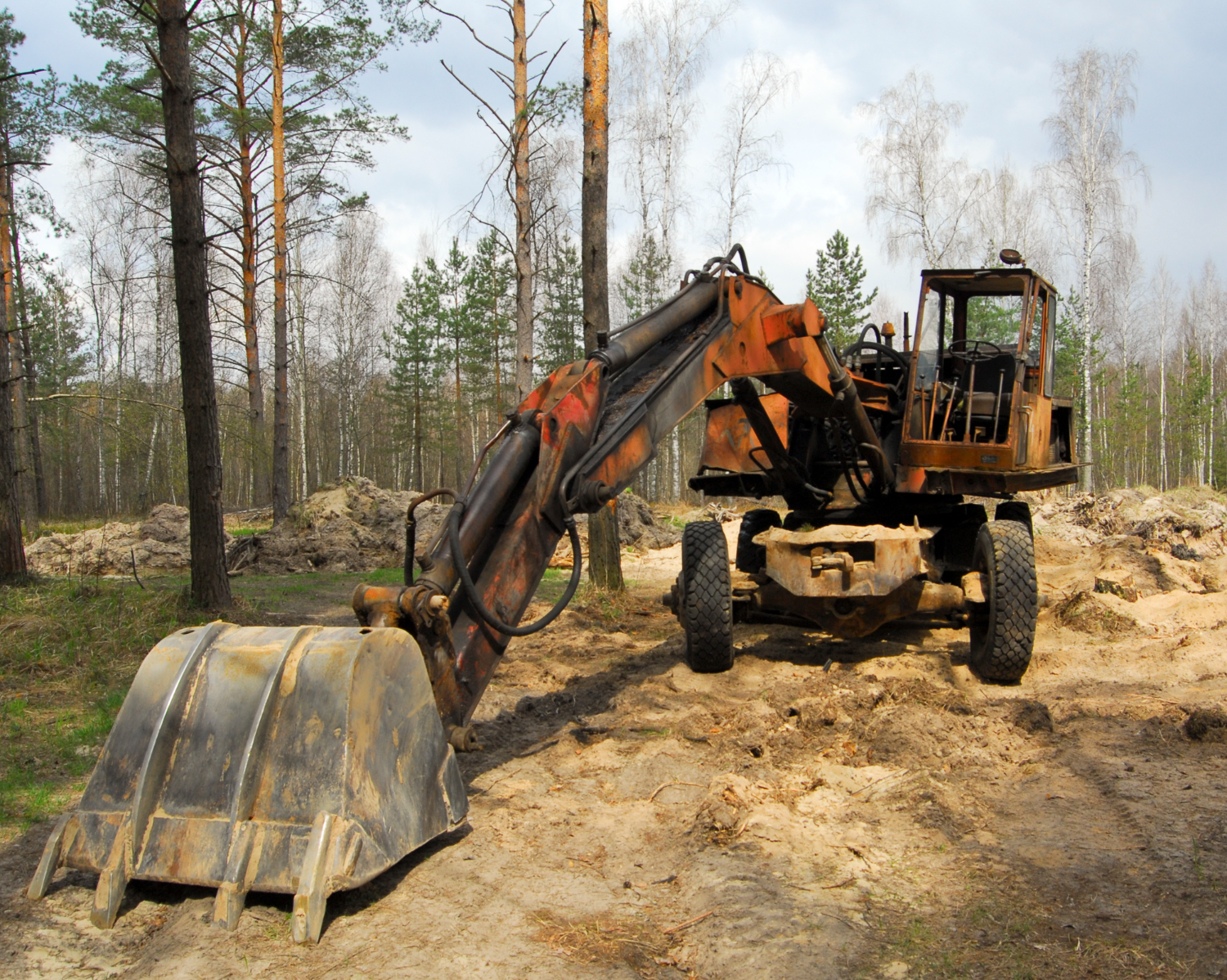
Driveways & Ranch Roads We've Built
Recent gravel driveway installations and ranch road projects across Central Texas.


Service Areas
Gravel Driveway & Road Installation Near You
We provide gravel driveway & road installation across Central Texas and the surrounding areas. Find your city below for local service.
McLennan County
- Waco, TX
- Gravel Driveway & Road Installation in McGregor, TX
- Woodway, TX
- Hewitt, TX
- Robinson, TX
- Bellmead, TX
- Lorena, TX
- Crawford, TX
- Moody, TX
- Gravel Driveway & Road Installation in Mart, TX
- Bruceville-Eddy, TX
- West, TX
Coryell County
- Gravel Driveway & Road Installation in Gatesville, TX
- Copperas Cove, TX
- Evant, TX
- Jonesboro, TX
- Oglesby, TX
- Pearl, TX
- Gravel Driveway & Road Installation in Coryell County, TX
Bell County
- Gravel Driveway & Road Installation in Killeen, TX
- Temple, TX
- Belton, TX
- Harker Heights, TX
- Nolanville, TX
- Salado, TX
- Troy, TX
- Little River-Academy, TX
Bosque County
- Gravel Driveway & Road Installation in Clifton, TX
- Valley Mills, TX
- Meridian, TX
- Gravel Driveway & Road Installation in Cranfills Gap, TX
- Iredell, TX
- Gravel Driveway & Road Installation in Laguna Park, TX
- Walnut Springs, TX
Hill County
- Gravel Driveway & Road Installation in Hillsboro, TX
- Itasca, TX
- Whitney, TX
- Abbott, TX
- Covington, TX
- Blum, TX
Johnson County
- Gravel Driveway & Road Installation in Cleburne, TX
- Joshua, TX
- Godley, TX
- Rio Vista, TX
- Keene, TX
- Alvarado, TX
Navarro & Hamilton Counties
- Gravel Driveway & Road Installation in Corsicana, TX
- Gravel Driveway & Road Installation in Hico, TX
- Blooming Grove, TX
- Frost, TX
- Hamilton, TX
- Carlton, TX
Gravel Driveway & Road FAQ
Common questions about gravel driveway installation, driveway grading, and ranch road construction in Central Texas.
01How much does a gravel driveway installation cost?
Gravel driveway installation cost depends on length, width, base depth, culverts, drainage, and the type of gravel or road base used. A short residential driveway is a very different job than a long ranch road with multiple culverts and grade changes. We give free on-site quotes so you know the real cost — no per-foot guesses.
02How much does it cost to gravel a 100 ft driveway?
It depends on width (single or double), how deep the road base needs to be for your soil, whether soft clay calls for extra base, and if culverts or ditches are needed for drainage. A 100 foot driveway over firm ground with good access costs far less than the same driveway over wet clay with a low crossing. We measure and quote on-site so the number is real, not a guess.
03What's the difference between driveway grading and a full gravel driveway installation?
Driveway grading is maintenance — reshaping, filling ruts and potholes, restoring crown and drainage on an existing driveway. A full gravel driveway installation is new construction: subgrade prep, road base, compaction, drainage, and sometimes culverts. We do both, and often start with grading before recommending a full rebuild.
04What kind of gravel or road base do you use?
For most Central Texas driveways and ranch roads we use a compacted road base (crushed limestone) as the primary structural layer, sometimes topped with a finer gravel for finish. The right material depends on traffic — a light residential driveway is spec'd differently than a road that has to handle equipment, trucks, and hay trailers.
05How do you build a gravel driveway?
Five steps, in order: stake the route and strip the topsoil, shape and compact the subgrade to a crown, cut the drainage and set any culverts, lay crushed limestone road base in compacted lifts, then top, re-crown, and roll it out. The full build sequence is laid out on this page. Skipping the subgrade or the drainage is what turns a new driveway back into ruts in one wet season.
06How long does a gravel driveway last?
A properly built gravel driveway with the right base, crown, and drainage can go many years before needing anything beyond periodic driveway grading. The driveways that fail early are almost always ones where the subgrade was skipped, the base was too thin, or water wasn't managed with drainage and culverts. We build ours to hold up.
07Do you install culverts as part of the driveway?
Yes — driveway culverts are part of most gravel driveway installations. Sizing the culvert to the actual water flow (not just what looks right) is the difference between a driveway that lasts and one that gets washed out in the next big rain. See our culvert installation page for details.
Gravel Roads & Driveways near you
Gravel Roads & Driveways across Central Texas
We run gravel driveway installation out of Central Texas. Pick your town for local pricing, ground conditions, and recent projects.
- Gravel Roads & Driveways in Waco, TX
- Gravel Roads & Driveways in Gatesville, TX
- Gravel Roads & Driveways in Killeen, TX
- Gravel Roads & Driveways in Temple, TX
- Gravel Roads & Driveways in McGregor, TX
- Gravel Roads & Driveways in Clifton, TX
- Gravel Roads & Driveways in Hillsboro, TX
- Gravel Roads & Driveways in Cleburne, TX
Hard Work. Honest Reviews.
We don’t just talk about quality work—we deliver it. See what Central Texas landowners, ranchers, and builders have to say.
“Great Company! We had several projects from shredding to brush/tree clearing. They really listened to what “our” needs were and bid accordingly… not just on what they wanted to do. They were honest, responsive, careful,…”
M R
“Luke and his team did a fantastic job on our roads which were heavily damaged due to a great deal of erosion. They fixed it the right way, communicating with us along the way to make sure we were fully satisfied with the…”
T.J. Estes
“My wife and I bought a house with a little land and the land was full of cedar trees. It was basically useless for anything. I contacted Luke to clear the land so it could be used, we were extremely happy with his work.…”
MARK MORA
Ready to Build a Driveway or Road That Lasts?
We serve Central Texas with professional gravel driveway installation, driveway grading, and ranch road construction. Get on the schedule today.